Buying a Brickell condo from abroad raises a practical question fast: how will you finance it? You want clean execution, privacy, and a structure that fits your global balance sheet. In this guide, you will learn the most common paths foreign buyers use in Brickell, what lenders actually ask for, how recent building and compliance rules affect your choices, and when it makes sense to go all cash. Let’s dive in.
Why Brickell attracts international buyers
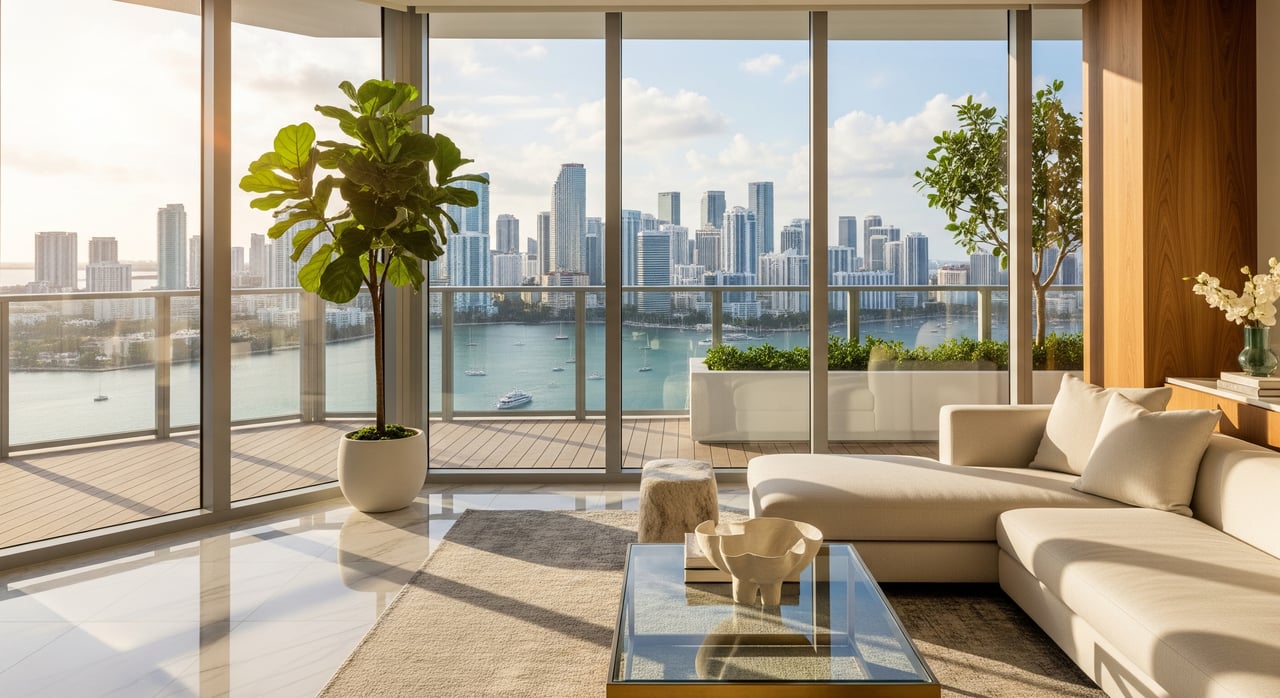
Brickell is Miami’s urban financial core, packed with luxury high‑rises, hotel‑level amenities, and professional management. International buyers consistently target Miami‑Dade, and demand concentrates in luxury condominiums in central neighborhoods like Brickell. Since 2021, building and insurance scrutiny increased, so lenders examine condo projects more closely. That is why your financing plan should match not only your profile but also the specific tower you choose.
The main financing paths
Cash purchase
Cash is common among UHNW cross‑border buyers. It offers speed, fewer contingencies, and avoids lender project restrictions. Many sellers prefer the certainty of cash, especially in competitive buildings.
Pros:
- Fastest closings and strong negotiating position.
- No mortgage underwriting or lender project approval.
- Fewer documents and lower closing complexity.
Cons:
- Capital is tied up and may reduce flexibility.
- No leverage to amplify returns or diversify elsewhere.
U.S. retail bank mortgage for foreign nationals
Some U.S. lenders offer “foreign national” mortgages for non‑U.S. residents. Expect higher down payments and more documentation than a standard domestic loan.
What to expect:
- Down payment and LTV: many programs start around 30 percent down, with condos and larger loans often requiring 40 to 50 percent down.
- Pricing: rates usually price above conforming loans and vary by your profile and market conditions.
- Documentation: passport, bank statements, proof of funds, and sometimes an ITIN for tax reporting. Some lenders want reference letters from your home‑country bank.
- Project review: the condo association will be underwritten. Some towers may be ineligible with certain lenders.
Pros:
- Preserves capital for other investments.
- Allows broader portfolio allocation.
Cons:
- Stricter LTVs, longer timelines, and more paperwork.
- Not all Brickell projects qualify with every lender.
Private bank and portfolio lending
Private banks and portfolio lenders often work with UHNW clients on bespoke terms. They may rely on your overall relationship and assets under management.
What to expect:
- Flexible structures, faster decisions, and potential comfort with entity borrowers.
- Willingness to finance unique condos that do not fit standard credit boxes.
Pros:
- Tailored terms and relationship‑driven pricing.
- Potentially higher LTVs for well‑qualified clients.
Cons:
- Often higher pricing than prime conforming loans.
- Availability depends on the bank and market conditions.
International or home‑country bank financing
Some buyers use their home‑country bank if it has a U.S. presence or a cross‑border platform. Terms may reflect your long‑standing relationship and home‑market profile.
Pros:
- Familiar underwriting and relationship continuity.
- Potential access to credit secured by home‑country assets.
Cons:
- Limited availability and varied collateral policies.
- Currency management and repatriation rules must be considered.
Specialty lenders and bridge loans
Short‑term financing can help you close quickly or fund renovations, then refinance later.
Pros:
- Speed and flexible documentation.
- Useful when permanent financing is pending.
Cons:
- Higher rates and shorter terms.
- Usually a stepping stone, not a long‑term solution.
Seller and developer financing
Seller financing on resales is uncommon in luxury Brickell. Developer financing can appear in select pre‑construction offerings, with terms that vary by project.
What lenders and closings expect
Proof of funds
You will need clear evidence of liquid funds. Common forms include recent bank or brokerage statements, certified letters from financial institutions, escrow confirmations, and wire verifications. Expect anti‑money‑laundering and source‑of‑funds reviews that trace origin of funds, such as business proceeds or asset sales.
Identification and tax identifiers
Bring your passport and relevant visa documents if applicable. Many lenders and title companies prefer or require an ITIN for tax reporting, so start that process early if you do not have a U.S. SSN. A U.S. bank account is not always required but often speeds transfers and documentation.
Condo association documentation
Lenders review the building’s budget, reserves, insurance, bylaws, litigation history, meeting minutes, rental rules, and owner‑occupancy mix. If a lender flags the project, switch to a portfolio lender that accepts the building or consider a cash purchase.
Entity ownership documents
If buying through an LLC, trust, or foreign corporation, prepare formation documents, operating agreements, resolutions, good‑standing certificates, and beneficial‑owner details. Many lenders will ask for personal guarantees when lending to entities.
Structure, taxes, and compliance that shape financing
Corporate Transparency Act
If you plan to use an entity, understand beneficial ownership reporting requirements. Review FinCEN’s beneficial ownership reporting to align your structure and documentation before you go under contract.
FIRPTA and closing mechanics
FIRPTA applies mostly when the seller is foreign and involves withholding at disposition. Your closing team will address it if it appears in your transaction structure.
Rental income and tax filings
If you plan to rent your condo, U.S. tax rules apply to rental income for nonresidents. There is a default gross withholding regime, or you can elect to be taxed on net income subject to filings. Align this with your financing and cash‑flow plan.
Florida transactional costs
Florida documentary stamp taxes and recording fees apply to deeds and mortgages. Review the Florida Department of Revenue’s tax resources as you budget for closing costs, title insurance, and escrow fees. For future carrying costs, consult the Miami‑Dade County Property Appraiser’s property tax resource when modeling annual expenses.
Consumer resources
For a plain‑English overview of U.S. mortgage concepts and borrower protections, see the CFPB’s mortgage resources. Use them to frame questions for your private banker or mortgage advisor.
Cash vs. leverage in Brickell
Cash maximizes speed and certainty. It avoids lender project approvals, which can be pivotal in towers with complex reserve or insurance dynamics. Cash also limits disclosure and reduces moving parts at the closing table.
Using leverage unlocks capital for other opportunities and can align with your global investment strategy. That said, foreign‑national loans usually require larger down payments and longer lead times. Private bank or portfolio credit can improve flexibility if you value a tailored structure over headline rate.
Rule of thumb:
- If your priority is speed, privacy, and certainty, cash is often the cleanest path.
- If your priority is capital efficiency and you accept process complexity, a private bank or foreign‑national mortgage can work well.
Timeline, blockers, and a smart first move
Cash closings in Brickell often run 2 to 6 weeks, depending on due diligence and the seller’s schedule. Financed purchases commonly take 6 to 12 weeks or longer due to documentation, condo review, and underwriting. Build your timeline around the building you choose and the lender’s project approval status.
Common blockers and how to prepare:
- Condo project ineligible with certain lenders. Identify lenders that accept the building or pivot to portfolio credit.
- Gaps in source‑of‑funds records. Compile statements and transaction histories early.
- Entity ownership and reporting. Confirm beneficial owners and prepare required filings.
- No ITIN on file. Start the ITIN process before you go to contract if a lender or title company requires it.
Recommended next steps:
- Engage a U.S. real estate attorney and U.S. tax advisor to align structure, tax exposure, and reporting.
- Speak with a private bank or foreign‑national mortgage specialist to map LTV, pricing, and building eligibility in Brickell.
- Prepare proof‑of‑funds and source‑of‑funds packages in advance.
- If buying via an entity, assemble full formation and ownership documents and determine guarantee requirements.
- Request condo association documents early to accelerate project review.
Ready to move in Brickell?
When you are ready, work with a discreet advisor who understands portfolio‑level decisions, building‑level nuance, and cross‑border execution. For curated property selection, lender alignment, and a smooth closing experience, connect with Chris Zdancewicz. Schedule a Confidential Consultation.
FAQs
What counts as acceptable proof of funds for a Brickell condo purchase?
- Recent bank or brokerage statements, certified letters from financial institutions, escrow confirmations, and wire proofs that clearly show you own liquid, transferable funds. Expect AML and source‑of‑funds reviews.
How much down payment do foreign‑national mortgages typically require for Brickell condos?
- Many programs start around 30 percent down, and condos or larger jumbo loans often require 40 to 50 percent down. Exact terms depend on your profile, lender, and the building.
Can I finance a Brickell condo through an LLC or foreign entity?
- Often yes with private banks or select lenders, but expect extra documents and possible personal guarantees. Some lenders prefer individual borrowers and will not lend to certain entities.
How does the Corporate Transparency Act affect international buyers using entities?
- Many entities must report beneficial ownership to FinCEN. Align structure and documentation early and review FinCEN’s BOI guidance with counsel before contracting.
What closing costs should a nonresident buyer expect in Miami‑Dade?
- Budget for Florida documentary stamp taxes, recording fees, title insurance, and escrow charges. For tax details, consult the state’s tax resources and the county property appraiser for ongoing assessments.
How long does a financed purchase take for a foreign buyer in Brickell?
- Plan for 6 to 12 weeks or more due to underwriting, building review, and documentation. Cash purchases often close in 2 to 6 weeks if due diligence is straightforward.