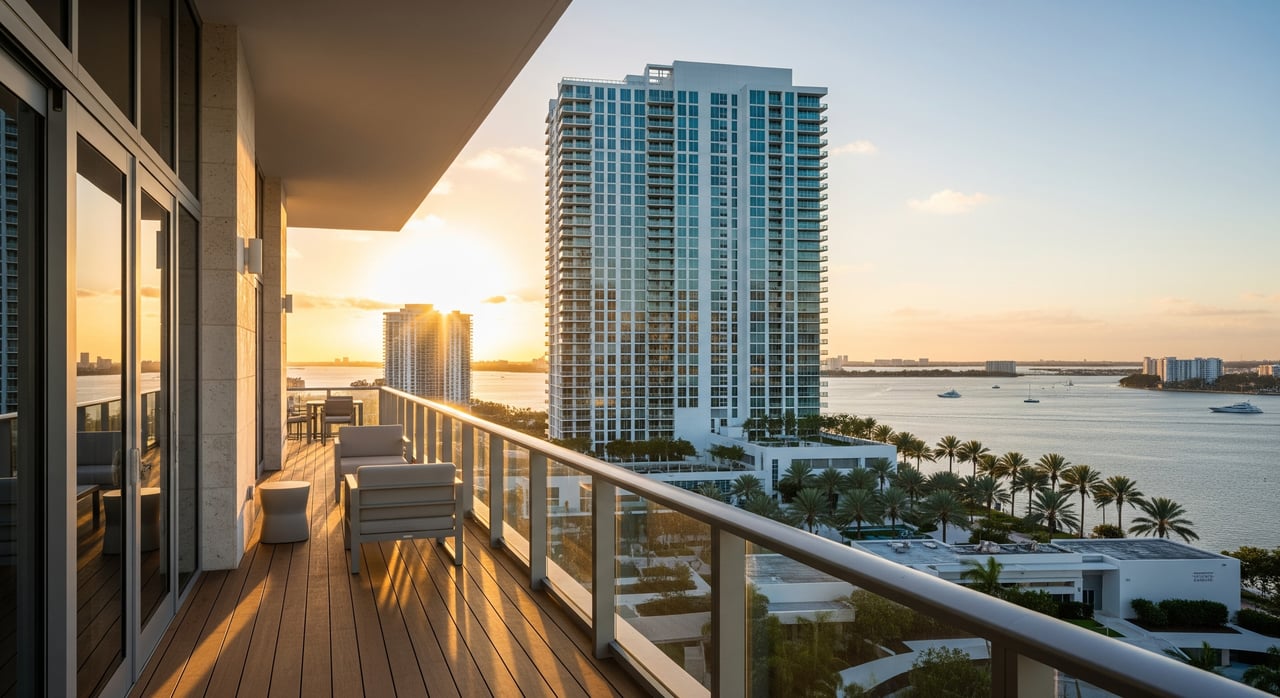
Owning in Edgewater means incredible views and an active skyline. It also means staying on top of Miami-Dade’s condo recertification process, especially if your building is approaching 40 years. You want clarity on timing, cost, and how it may affect your ability to finance or sell. This guide breaks down what recertification is, what engineers look for on the waterfront, how associations plan and fund repairs, and what buyers and sellers should check. Let’s dive in.
Recertification in Miami-Dade: the basics
Condo recertification is a periodic structural and life-safety check for older multi-story buildings. A Florida-licensed engineer inspects the property and issues a report. The association completes any required repairs, then the county issues a certificate of compliance.
Miami-Dade typically triggers the first inspection around the 40-year mark, with follow-up inspections after that. Rules and deadlines can change, so confirm current requirements with the Miami-Dade County Building Division. Engineers, the association, and the County each play a role in inspections, permitting, and final sign-off.
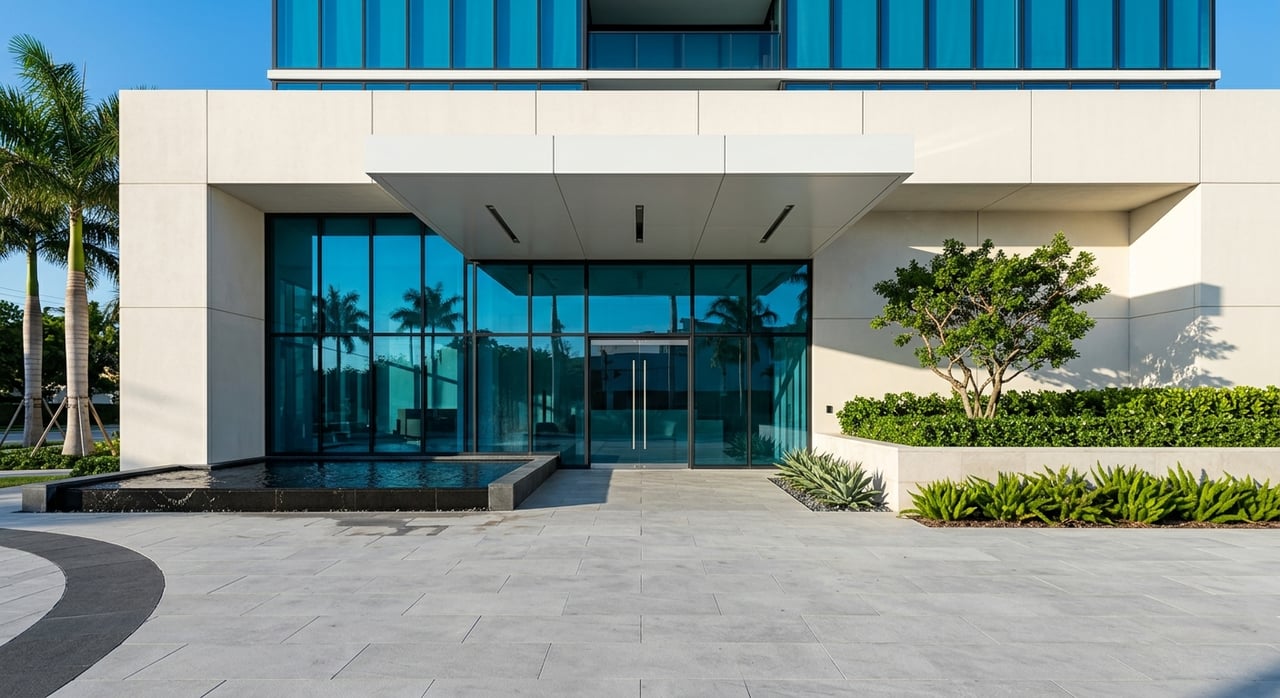
In Edgewater, many high-rises sit on or near the bay. Salt air, humidity, and storm exposure can accelerate wear. That raises the chance of concrete and waterproofing repairs during recertification.
What engineers inspect in Edgewater towers
Structural and concrete
Engineers review columns, beams, slabs, shear walls, and foundations where visible. They look for cracking, spalling, delamination, exposed rebar, and corrosion. Parking garages and ground-floor slabs often show the earliest signs of deterioration near the waterline.
Envelope and waterproofing
Expect a close look at balconies and railings, exterior walls or curtain walls, window and door systems, and sealants. Roof membranes, terrace and podium waterproofing, and garage decks are tested for failures that allow water intrusion.
Life-safety systems
Inspections cover exits and stairways and other life-safety elements as required by local rules. Roof equipment anchorage and elevator pits may be reviewed when they pose safety risks.
If issues are found: immediate and long-term steps
Engineers may require interim safety measures if something urgent appears. This can include restricted access to certain areas, temporary shoring, or quick repairs to railings. These steps help keep people safe while permanent work is planned.
Full remediation can include concrete restoration, membrane replacements, sealant upgrades, and structural strengthening. Associations often phase work to manage cost and reduce disruption.
Timeline and process: start 18–36 months early
For a waterfront high-rise, start early so you can inspect, budget, design, permit, and build without rushing.
- Preparatory phase (0–2 months). Gather drawings, past reports, and repair records. Notify owners and outline the plan to hire an engineer.
- Structural inspection and report (1–3 months). A licensed engineer surveys the building and issues a formal report with required repairs and priorities.
- Design and cost estimating (1–3 months). Engineering teams prepare repair drawings and specs. Get preliminary estimates from qualified contractors.
- Budgeting and approval (1–3 months). The board schedules meetings for reserves, loans, or special assessments in line with the Florida Statutes Chapter 718.
- Permitting (2–6 months). Submit repair plans to the County. Backlogs can extend this step, so build in buffer time.
- Contractor procurement (1–3 months). Bid and negotiate with licensed, insured contractors that have coastal restoration experience.
- Construction (6–24+ months). Large façade and structural work can extend across seasons and phases.
- Final inspections and compliance (1–3 months). County inspections and paperwork close the loop for the certificate of compliance.
Budget, funding, and insurance impacts
Successful recertification planning blends sound engineering with prudent finance. The engineer’s report guides scope and cost.
Funding options
- Use of reserves when adequate
- Special assessments approved under your bylaws
- Association loans or construction lines of credit
- Phased assessments to spread owner impact
Cost expectations
Scope drives cost. A targeted waterproofing project is far less than full concrete restoration across a high-rise. For waterfront towers, totals can range from significant tens of thousands to many millions for the building. Per-unit costs vary by building and scope. Get multiple independent estimates and include a 10 to 25 percent contingency for surprises found during demolition.
Insurance and lending considerations
Visible structural issues can affect insurance availability and premiums. Engage your broker early and plan for insurer requirements. Lenders and agencies often review recertification status, reserve levels, and special assessments. This can influence financing for buyers and overall marketability. For insurance guidance, consult the Florida Office of Insurance Regulation, and speak with lenders about project underwriting standards.
Buyer and seller due diligence in Edgewater
What buyers should request
- Latest engineer recertification report and any interim directives
- Board minutes from the last 12 to 24 months
- Current reserve study and recent financials
- Details on special assessments, association loans, or related litigation
- Active permits, contractor agreements, and master insurance declarations
- Certificate of Compliance history and any Miami-Dade notices
Questions to ask before you write an offer
- Where is the building in its recertification cycle, and are repairs already underway?
- What is the plan for funding, and what is your potential owner share?
- How many contractor bids and updated estimates does the association have?
- How will construction affect access, parking, and amenities?
- Are any interim safety measures in place that limit use, such as balcony closures?
Tips for sellers preparing to list
Be transparent in your disclosures about recertification status and any pending assessments. Obtain an estoppel letter and confirm your account is current. If the building is mid-project, inform your listing team so they can prepare buyers and their lenders.
Edgewater risk management priorities
Focus areas at the waterfront
- Balconies and railings for pedestrian safety
- Parking garages and ground floor slabs exposed to salt and splash
- Podium and terrace waterproofing that protects interior spaces
- Seawalls and bulkheads that can affect foundations and soil stability
- Roofs and rooftop equipment anchorage in wind and salt conditions
Plan for climate exposure
Sea-level rise, king tides, and storm surge increase long-term maintenance needs. When you plan repairs, consider higher-performance coatings, improved drainage, stronger sealants, and corrosion-resistant materials. For context on flood exposure, review the FEMA Flood Map Service Center and the NOAA Sea Level Rise Viewer.
How to select your team
Hire Florida-licensed structural engineers with coastal high-rise experience. Verify credentials through the Florida DBPR license search. For major projects, consider an owner’s representative or construction manager to help manage phasing, bidding, and quality control. Always ensure contractors carry appropriate insurance and bonds.
How to move forward
The strongest recertification outcomes start early, rely on a clear scope, and align funding before construction mobilizes. Thoughtful planning helps protect safety, preserve value, and maintain marketability for future sales.
If you are weighing a purchase or planning a sale in an Edgewater building near recertification, get tailored guidance. For a discreet strategy that aligns with your timeline and goals, schedule a conversation with Chris Zdancewicz.
FAQs
What is Miami-Dade condo recertification and why it matters in Edgewater?
- It is a periodic structural and life-safety review for older multi-story buildings that can lead to required repairs, which are especially common in waterfront towers.
How long does the recertification process usually take for a high-rise?
- From planning through final compliance, many projects span 12 to 36 months, depending on scope, permitting, contractor availability, and whether work is phased.
Who pays for recertification repairs in a condominium?
- The association is responsible, typically funding work through reserves, special assessments, loans, or a mix of these sources as allowed by the governing documents.
How can recertification affect buying, selling, or financing?
- Buyers and lenders review reports, reserves, and assessments, so large pending projects can affect underwriting, insurance terms, and overall marketability.
What documents should a buyer review before purchasing in an Edgewater condo?
- Request the latest engineer report, board minutes, reserve study, financials, details on assessments or loans, active permits, insurance declarations, and compliance history.