Looking for a South of Fifth condo where the elevator opens into your own foyer and no corridor traffic follows you home? In SoFi, privacy is part of the lifestyle, and the rarest homes protect it from the moment you arrive. If you value a quiet landing, secure access, and discreet living, this guide shows you how to find it. You’ll learn what “private elevator” really means, where to focus in SoFi, and exactly how to verify the details before you commit. Let’s dive in.
Why SoFi privacy stands out
South of Fifth blends ocean and bay views with a calmer, low-traffic setting compared with more commercial areas of Miami Beach. You can walk to South Pointe Park and top restaurants, then retreat to a quieter residential pocket. Many buyers here seek privacy, security, and a boutique arrival experience that starts at the elevator. True private-elevator inventory is scarce, so careful verification and smart timing matter.
What “private elevator” means
Private elevator access
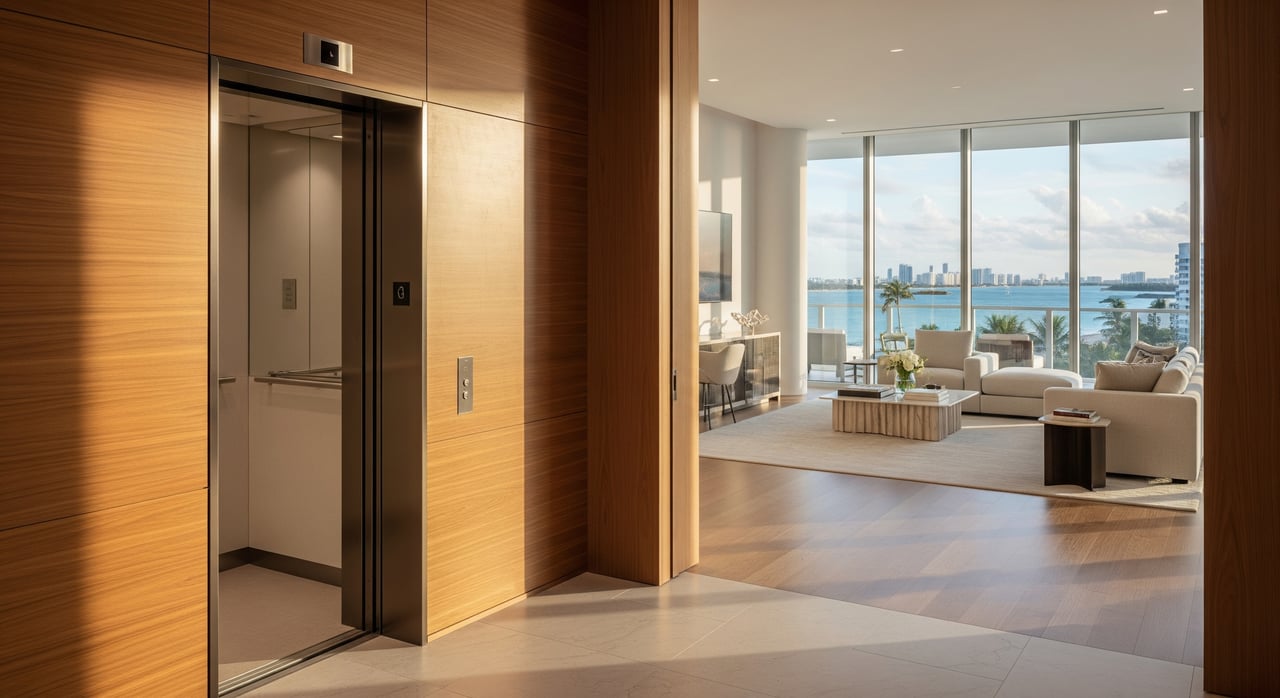
A private elevator opens directly into your residence or a private foyer that serves only your home. Access is typically controlled by a key or fob. Some systems allow concierge override for safety and service.
Semi-private foyer
A semi-private landing serves two residences on a floor. It reduces corridor exposure and foot traffic. It can feel nearly private in boutique buildings with limited units per floor.
Limited units per floor
Buildings with one or two homes per floor naturally increase privacy. Shorter corridors and fewer neighbors mean fewer interruptions. This can be an excellent alternative when a fully private elevator is not available.
Full-floor and skyhomes
Full-floor residences and duplex penthouses often include private vertical circulation, dedicated foyers, and terraces. Many also integrate private stairs. Always verify exact elevator rights and any rooftop use.
Service elevator
A separate service elevator keeps deliveries and staff out of your primary arrival path. This is a meaningful privacy and operational advantage. Ask how building staff route guests and vendors.
Why it matters
Keyed access, controlled landings, and limited-per-floor footprints shape your daily arrival, security, and noise profile. These features also influence resale and ownership responsibilities. In some cases, they impact HOA maintenance, future assessments, and insurance planning.
Buildings to verify in SoFi
The following South of Fifth buildings are known for larger floorplans, boutique footprints, or layouts where private or semi-private elevator entries are more likely. Elevator configurations vary by line and floor, so verify each residence individually.
- Apogee South Beach: Boutique scale and limited residences per floor often deliver a private arrival feel. Confirm whether the elevator opens to a private foyer for the specific line you are considering.
- Portofino Tower: Larger residences and penthouses may feature private or semi-private entries. Review floorplans and landing ownership for your unit.
- Continuum North and South: A premier compound where upper-floor and penthouse layouts can differ. Verify elevator stopping patterns, foyer control, and landing exclusivity.
- Murano at Portofino: Larger floorplates and select lines may offer semi-private landings. Confirm fob control and service-elevator routing.
- Murano Grande: Some lines feature limited units per floor. Check whether the foyer is shared and how access is controlled.
- South Pointe Tower and nearby boutiques: Smaller buildings sometimes deliver one- or two-units-per-floor. Validate whether foyer spaces are exclusive use and how they are recorded.
Tip: Treat building names as a starting point, not a guarantee. Ask for the floorplan, declaration language, and photos that clearly show elevator-to-foyer transitions.
Compare options with these criteria
Physical and security
- Elevator type: direct private, semi-private, or corridor-based.
- Access control: keyed car, fob-only landing, concierge override, or unrestricted stops.
- Service elevator: location, routing, and guest/vendor procedures.
- Foyer design: size, storage, and sightlines into living areas.
- Sound mitigation: door seals, shaft insulation, and vibration levels near the entry.
Legal and ownership
- Landing ownership: exclusive-use common element vs. shared common area.
- Maintenance obligations: who pays for elevator upkeep or replacement.
- Rules and policies: guest registration, staff hours, and any short-term rental restrictions that affect privacy expectations.
Financial and liquidity
- Comps and premiums: review recent closed sales for similar lines and features in the same building.
- HOA fees and reserves: evaluate elevator reserves, capital plans, and any special assessment history.
- Insurance and financing: coastal insurance costs and lender requirements for exclusive-use elements.
Lifestyle and operations
- Arrival frequency: how often you host guests or receive deliveries.
- Staff workflow: whether a service path keeps activity away from your private landing.
- Amenities fit: valet, concierge, and parking access that match your routine.
Showing checklist for buyers
Use this on your next tour of a SoFi penthouse or trophy line.
Building and elevator
- Confirm where the elevator stops and whether the unit’s landing is exclusive.
- Check key or fob requirements and any concierge controls.
- Photograph the elevator panel, landing, and any lockable foyer doors.
Private foyer and entry
- Assess foyer size, storage, and art or furniture potential.
- Note sightlines from the landing into living areas.
- Test the elevator during the showing and listen for noise or vibration inside the residence.
Systems and egress
- Ask for life-safety plans and fire egress routes for private-elevator floors.
- Identify mechanical locations for penthouses and rooftop equipment.
- Verify what is permitted on terraces, including outdoor kitchens or pools.
Operations and access
- Clarify guest registration and escort procedures.
- Confirm service-elevator use for vendors and deliveries.
- Review parking assignments and any private garage access.
Negotiation and resale
- Request written confirmation that the landing is an exclusive-use common element appurtenant to the unit.
- For rooftop or skyhome features, verify recorded rights and any easements.
Due diligence before you commit
Documents to obtain
- Condo declaration and bylaws, including elevator and landing provisions.
- Master building and unit floorplans showing elevator stops and landings.
- HOA financials, reserve studies, and recent meeting minutes.
- Special assessment history and planned capital projects.
- Seller disclosures regarding elevator rights or any agreements.
- Certificates of occupancy or documents relevant to rooftop or terrace use.
Professionals to consult
- Listing or buyer’s agent for unit-specific layout and access control.
- Building management or association for everyday procedures and policies.
- Real-estate attorney to confirm exclusive-use language and obligations.
- Engineer or architect for penthouse mechanicals or any modifications.
- Lender and insurance broker for financing and coastal coverage requirements.
Local records to check
- Property appraiser for legal descriptions and square footage.
- Building department for permits tied to elevators and rooftop alterations.
- Clerk of Courts for recorded declarations, amendments, plats, and easements.
Pricing and resale insight
Private or semi-private elevator access is a lifestyle feature that can influence value and marketability. Instead of assuming a premium, review closed comps in the same line or building to see how buyers priced that privacy. Balance any price lift against HOA fees, reserve strength, and potential elevator-related assessments. In coastal locations, factor hurricane glazing, code compliance, and insurance costs into your total ownership picture.
Next steps with a local advisor
If privacy is non-negotiable, you want a curated shortlist and rapid verification of elevator rights, landing ownership, and HOA strength. A focused search in SoFi saves time and reduces risk by narrowing to specific lines and floors where the arrival experience aligns with your goals. When you are ready, request floorplans, declarations, and a side-by-side comparison of options so you can act with confidence. For a discreet conversation and a tailored plan, schedule a confidential consultation with Chris Zdancewicz.
FAQs
What is a private elevator in Miami Beach condos?
- It is an elevator that opens directly into your home or a foyer serving only your residence, typically controlled by a key or fob.
Which South of Fifth buildings are most likely to have private elevator access?
- Buildings such as Apogee, Portofino Tower, Continuum, Murano at Portofino, Murano Grande, and select boutiques are candidates, but verify unit by unit.
How do private elevators affect HOA fees in SoFi buildings?
- Exclusive landings or specialized systems can impact maintenance and reserves; review HOA budgets, reserves, and any elevator-related assessments.
What should I verify in condo documents regarding elevator rights?
- Confirm whether the landing is an exclusive-use common element tied to the unit and who is responsible for maintenance and repairs.
Do South of Fifth penthouses include rooftop rights with private access?
- Not always; rooftop and terrace rights vary, so verify recorded appurtenances, permitted uses, and any easements or restrictions.
Can short-term rentals affect privacy in private-elevator buildings?
- Policies differ by building; review rental rules, guest registration procedures, and service-elevator protocols to understand privacy impacts.