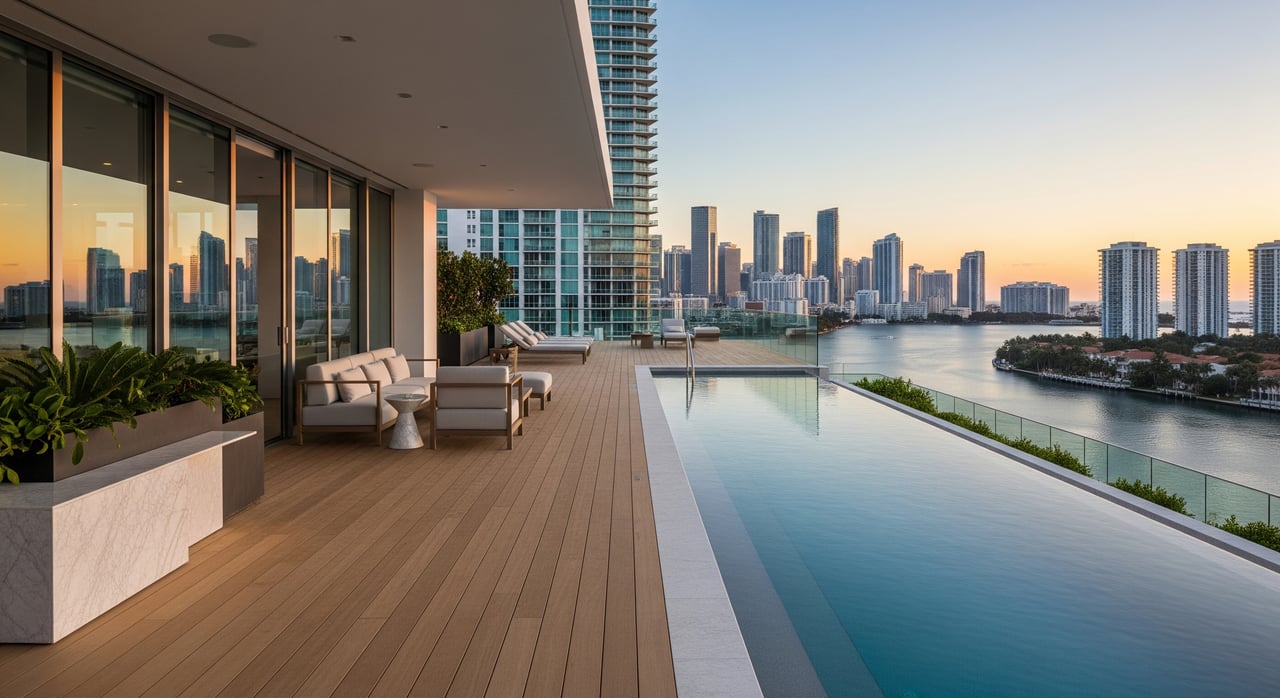
You want the top. The question is which top delivers more value for you: a penthouse in Brickell’s urban core or one along Edgewater’s bayfront line. Both offer trophy-level living, yet their premiums, views, and resale dynamics can be very different. In this guide, you will learn how to measure penthouse premiums, evaluate view risk, compare amenity packages, and judge liquidity so you can move with confidence. Let’s dive in.
Brickell vs Edgewater at a glance
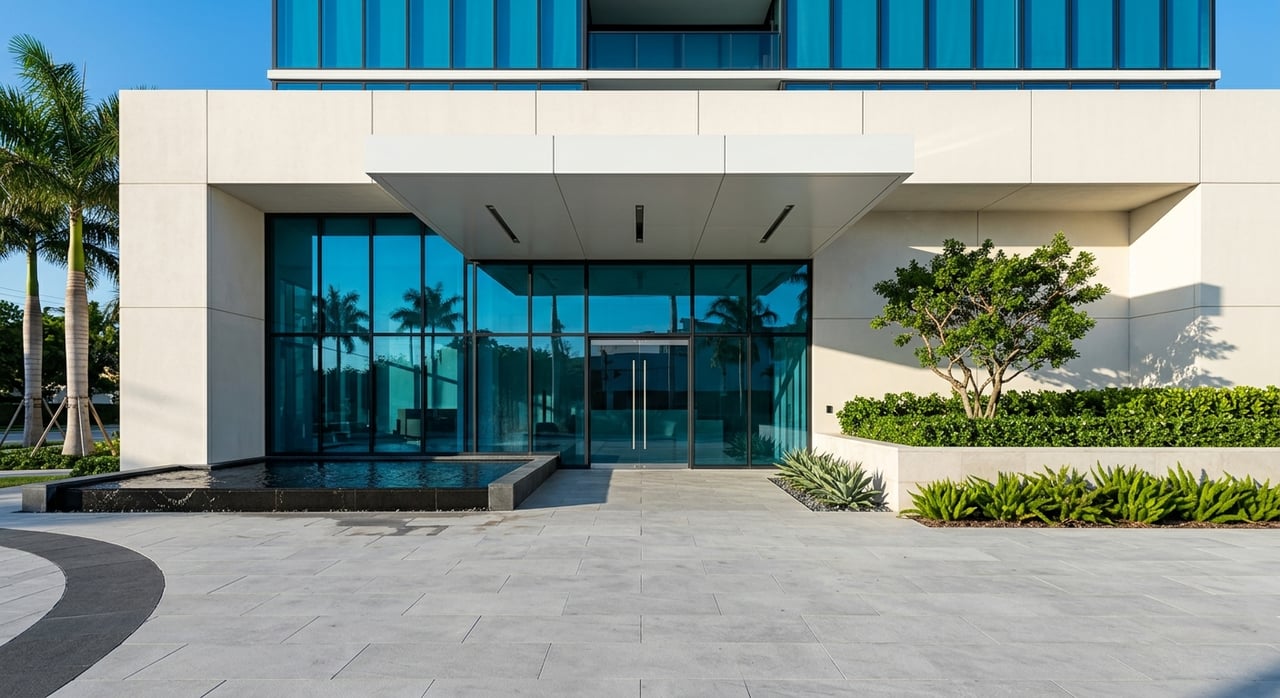
Brickell is Miami’s dense financial and mixed-use hub. You get immediate access to offices, dining, nightlife, and transit. Towers are close together, so the skyline is dramatic, but future buildings can affect view corridors.
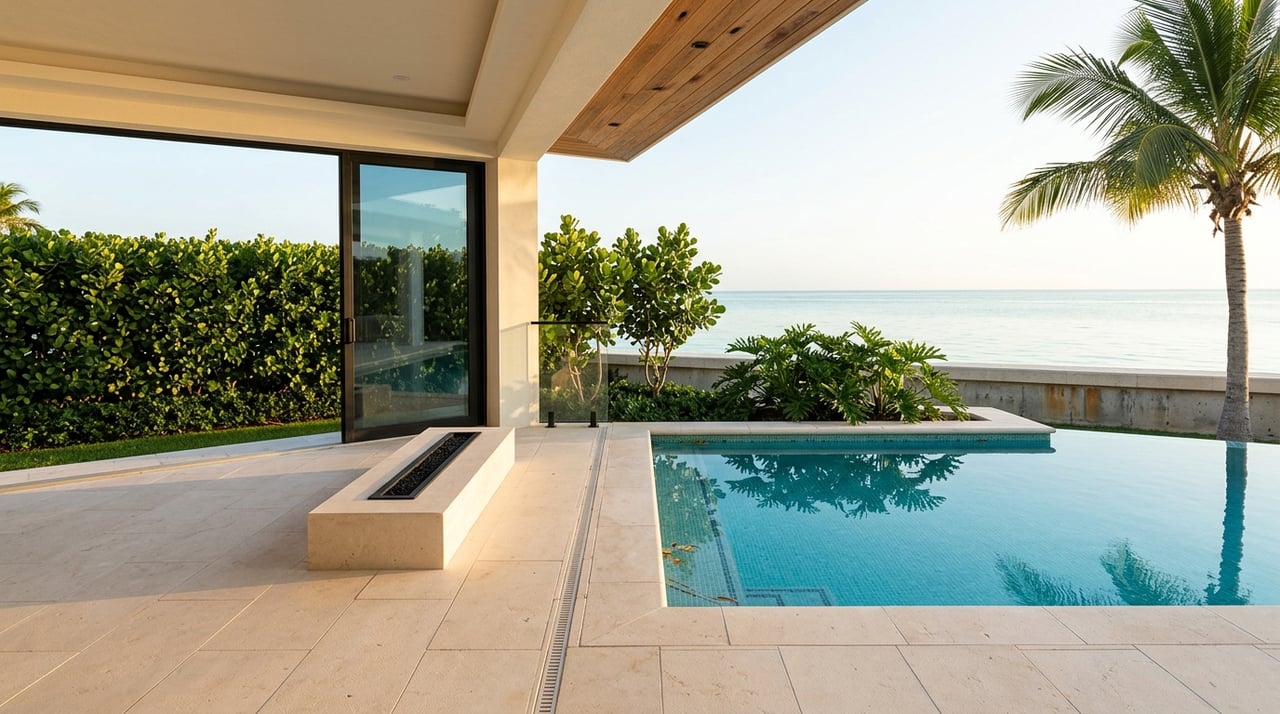
Edgewater is a linear stretch along Biscayne Bay north of downtown. Buildings often prioritize large terraces and indoor-outdoor living. You see longer bay sightlines and a quieter feel, with lower development density than Brickell’s core.
If you want urban convenience, branded services, and skyline energy, Brickell may be your match. If you want expansive water views, large terraces, and a calmer bayfront lifestyle, Edgewater may deliver stronger day-to-day utility.
What a penthouse premium really is
A penthouse premium is the price you pay above comparable non-penthouse high-floor units for exclusivity, views, terraces, and services. The industry rule of thumb puts penthouse premiums in the range of about 10% to 40% above comparable upper-floor units, with larger or bespoke, full-floor residences sometimes outside that range. In Miami, exact premiums vary by building vintage, orientation, terrace depth, and service level. Your best read comes from recent closed sales within the same building and immediate peers.
How to measure the premium correctly
You want an apples-to-apples comparison. Use these steps to compute the penthouse premium and confirm value.
- Define the set. Confirm the building’s definition of “penthouse.” Include top-floor or full-floor units and any residences marketed as penthouses. Match comparable units by floor plate, orientation, finish level, and terrace size.
- Normalize the math. Calculate price per interior square foot and price per total enclosed square foot. Be clear about what the listing counts as interior vs terrace.
- Compute the premium. Subtract the building’s average price per foot for comparable units from the penthouse’s price per foot. Divide by the building average to get your percent premium. Also compute the absolute premium in dollars.
- Adjust for meaningful features. Add or subtract value for terrace depth, private elevator foyer, parking count and type, staff quarters, storage, and bespoke improvements.
- Check liquidity. Review days on market, list-to-sale price ratio, and the number of comparable sales over the last 12 to 36 months. Liquidity matters for exit.
To source data, rely on closed-sale records from the Miami-Dade MLS and public records. For county-confirmed prices and parcel history, use the Miami-Dade Property Appraiser. For neighborhood trend context, consult Miami Association of Realtors market data.
Views, height, and view risk
Views are a major driver of penthouse premiums. Brickell can deliver thrilling skyline and bay vistas, but its dense tower cluster also increases the chance of future obstructions. Edgewater’s linear waterfront and fewer immediate towers to the east often mean longer, more open bay sightlines.
Because views are never fully permanent, quantify view risk before you buy:
- Permits and pipeline within 1,000 to 1,500 feet. Search active permits and approvals using the City of Miami permitting portal and the Miami-Dade Department of Regulatory and Economic Resources.
- Zoning and height allowances. Confirm what can be built on neighboring parcels using the Miami 21 zoning code. FAA height constraints and approach paths can also matter.
- Ownership patterns. A single large vacant parcel near your view corridor may pose concentrated development risk compared to many small lots.
- Line-of-sight studies. For seven-figure view value, commission a view-shed analysis that models current and approved heights. This minimizes unpleasant surprises.
It also helps to monitor local development news to understand the pipeline. Trade publications such as The Real Deal’s Miami coverage and the Miami Herald’s real estate section can add context around headline projects that may affect view corridors.
Amenity packages and service levels
Amenities and services are central to penthouse pricing. You are not just buying space. You are buying a full lifestyle and operating platform.
- Exclusivity features. Private elevator foyers, private rooftops, plunge pools, staff suites, separate lobbies, and dedicated garage access boost premiums.
- Building services. 24/7 concierge, hospitality-grade housekeeping, in-house security, and curated F&B partnerships increase perceived value. They can also increase HOA fees.
- Wellness and entertainment. Full-floor gyms, spa programs, indoor-outdoor pools, tennis or pickleball, golf simulators, club rooms, and screening rooms create differentiation and widen the buyer pool.
- Technical build. High-performance glazing, hurricane-rated openings, higher slab-to-slab heights, greater MEP capacity, and dedicated mechanical systems matter for comfort and resilience.
How Brickell and Edgewater often differ:
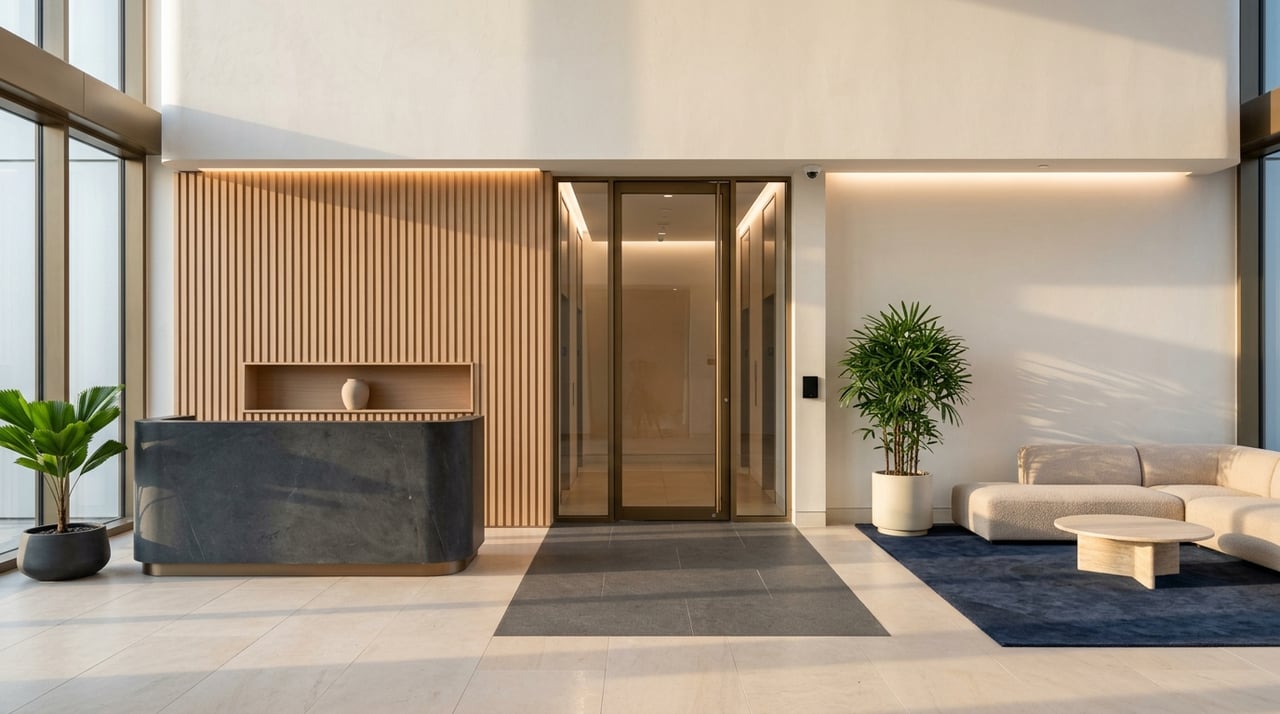
- Brickell. You often see branded residences, concierge-forward service, and immediate access to dining, clubs, and business centers. Parking solutions may be more vertical due to tighter sites. Privacy features and skyline energy are key selling points.
- Edgewater. You often see larger terraces, expansive pool decks, and direct bayfront amenities. Indoor-outdoor entertaining is front and center, and marina-adjacent conveniences may be options in select buildings.
Remember that premium amenities raise operating costs. Penthouse-level units usually carry higher assessments due to larger square footage and the building’s overall service budget. Review the HOA budget, reserves, and any special assessments in detail.
Resale dynamics and investment considerations
Liquidity is not equal across submarkets or product types. Your exit strategy should inform what you buy.
- Buyer pool. Brickell tends to have deeper liquidity for high-dollar product because it attracts business executives, investors, and international buyers who value urban access. Edgewater’s buy-side is strong for lifestyle and waterfrontness, with a more specific set of buyers who prioritize large terraces and water views.
- Market timing and supply. New deliveries can temporarily increase competition. Track permits and proposed projects near your building through the City of Miami permitting portal and Miami-Dade RER. Neighborhood-level stats from Miami Realtors market reports can help you gauge absorption trends.
- Total cost of ownership. Model HOA fees, property taxes, insurance, and maintenance. Insurance, especially wind and flood, is a material line item in Miami. Check flood zones and elevation through the FEMA Flood Map Service Center.
- Rental and yield. Short-term rental rules vary by building and municipality. Brickell often has strong corporate housing demand where allowed. Edgewater has more residential leasing demand. Always underwrite rental potential using the legally allowable regime from the condo documents.
Ultra-luxury can be more cyclical and can take longer to sell, especially large full-floor units with unique layouts. That said, unique penthouses with protected views and proven service platforms often hold value well through cycles.
A simple decision framework
If you are choosing between two penthouses, use this framework to stay objective.
- Lifestyle priorities. Do you want quiet bayfront living with oversized terraces and long sightlines, or do you want immediate access to Brickell’s business and hospitality network?
- Service and privacy. Do you need a private elevator, staff quarters, or a full-floor plan? How important is a five-star service platform vs a resort-style outdoor amenity stack?
- View permanence. What is the probability and impact of view obstruction within the next 5 to 10 years? Validate with permit and zoning research and, if needed, a professional view-shed study.
- Hold period and exit. Are you optimizing for quick resale liquidity or a long-term hold? Check DOM and list-to-sale ratio on comparable penthouse trades.
- Risk tolerance. Are you comfortable paying a higher premium for branding and urban access, or do you prefer to capture value in larger outdoor space and bay frontage?
Due diligence checklist
Use this checklist before you make an offer. It will help you confirm the premium you are paying is justified.
- Definition and floor plans. Confirm the building’s penthouse definition and obtain official floor plans.
- Comparable sales. Pull 12 to 36 months of closed comps in-building and in immediate peer buildings. Validate with the Miami-Dade Property Appraiser.
- Premium math. Calculate price per interior foot and per total enclosed foot, then compute the percent and absolute premium versus comparable units. Adjust for terraces, parking, private features, and upgrades.
- HOA and reserves. Review the HOA budget, reserve study, and any current or recent special assessments. Confirm what fees cover and whether insurance deductibles or utilities are included.
- Legal and rental rules. Confirm deed restrictions, rental minimums, and transfer requirements.
- Permits and zoning. Search the City of Miami permitting portal, Miami-Dade RER, and Miami 21 for the pipeline and height limits near the building.
- Climate resilience. Check FEMA flood zones using the FEMA map center. Review hurricane-hardening, generator capacity, and elevation of critical systems.
- Operating model. Evaluate staffing levels, service contracts, and any hotel-operator agreements that affect costs and service continuity.
- Exit scenarios. Look at absorptions and DOM for similar penthouse resales. Run sensitivity to market moves and potential view changes.
Brickell or Edgewater: putting it together
Both submarkets deliver exceptional penthouses, but the premium you pay is tied to different value drivers. In Brickell, the premium often reflects the service platform, branding, skyline energy, and immediate access to the urban core. In Edgewater, the premium often reflects larger terraces, open bay sightlines, and indoor-outdoor living. In either case, the most defensible premiums pair protected views with proven service and robust building finances.
When in doubt, let the comps and the due diligence lead you. Compute the premium precisely, verify the pipeline around your view, and model your total cost of ownership. That is how you balance lifestyle and liquidity so the penthouse you choose feels right on day one and when it is time to exit.
Ready to compare specific penthouses in Brickell and Edgewater with a confidential, data-forward approach? Schedule a private conversation with Chris Zdancewicz to review building-level comps, view studies, and tailored acquisition strategies.
FAQs
What is a penthouse premium and how is it calculated?
- A penthouse premium is the percent and dollar amount paid over comparable non-penthouse high-floor units, computed by normalizing price per interior square foot and adjusting for terraces, private features, and finishes.
Are Brickell or Edgewater views more likely to be blocked?
- Brickell’s dense skyline has more future obstruction risk, while Edgewater’s linear bayfront often has longer open sightlines. Always check permits and zoning through the City of Miami portals and Miami 21.
Which submarket typically has faster penthouse resale?
- Brickell generally enjoys deeper buyer pools for urban luxury, which can aid liquidity, while Edgewater caters to lifestyle buyers who prioritize bayfront living. Verify with recent closed comps and days on market.
How do HOA fees and taxes compare between Brickell and Edgewater?
- HOA fees reflect each building’s amenity and service platform, and branded or hotel-serviced properties often cost more. Property taxes are set at the county level, but assessed values vary by property and improvements.
What due diligence should I run before buying a Miami penthouse?
- Confirm penthouse definitions and floor plans, compute the premium with closed comps, review HOA budgets and reserves, check permits and zoning for view risk, evaluate insurance and flood zones via the FEMA map center, and model exit scenarios.