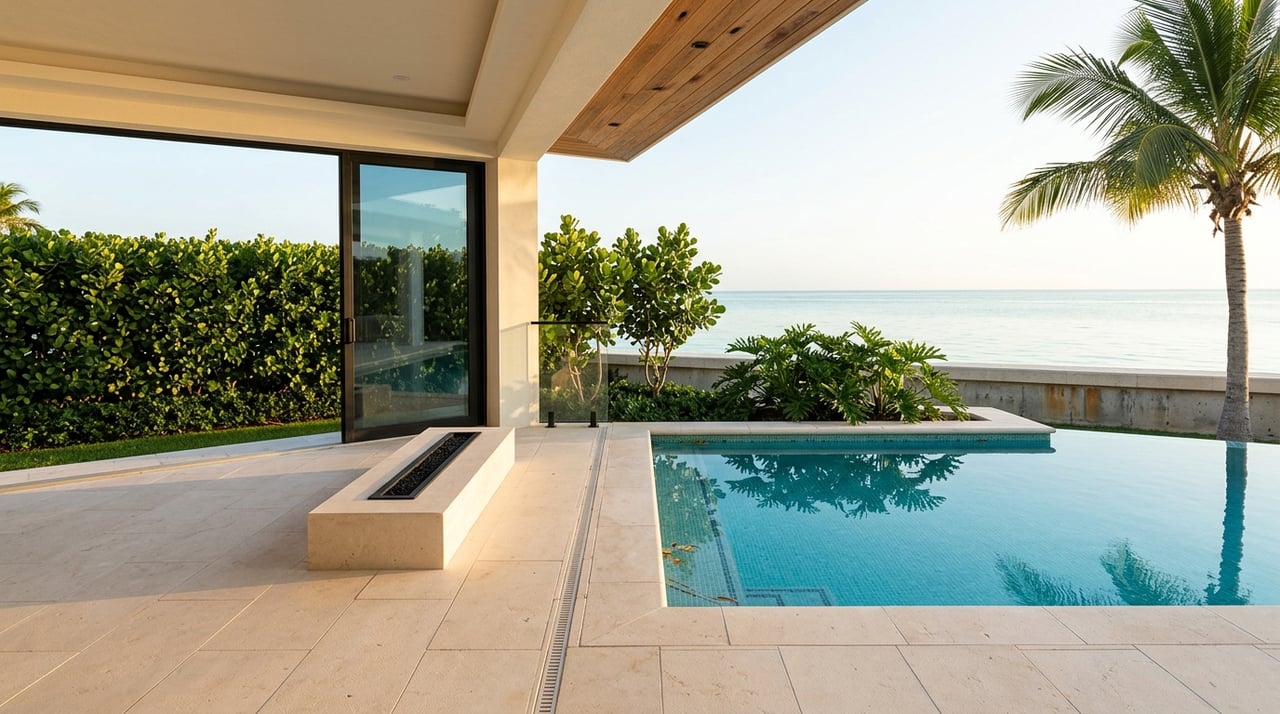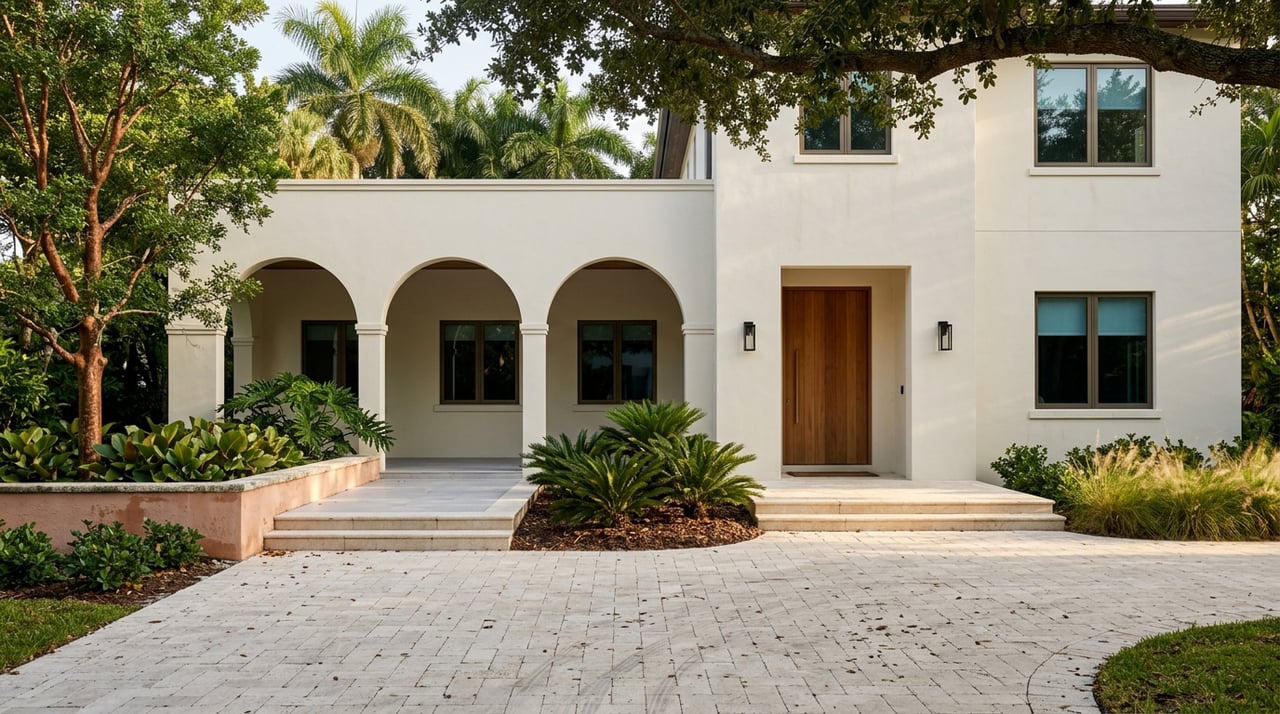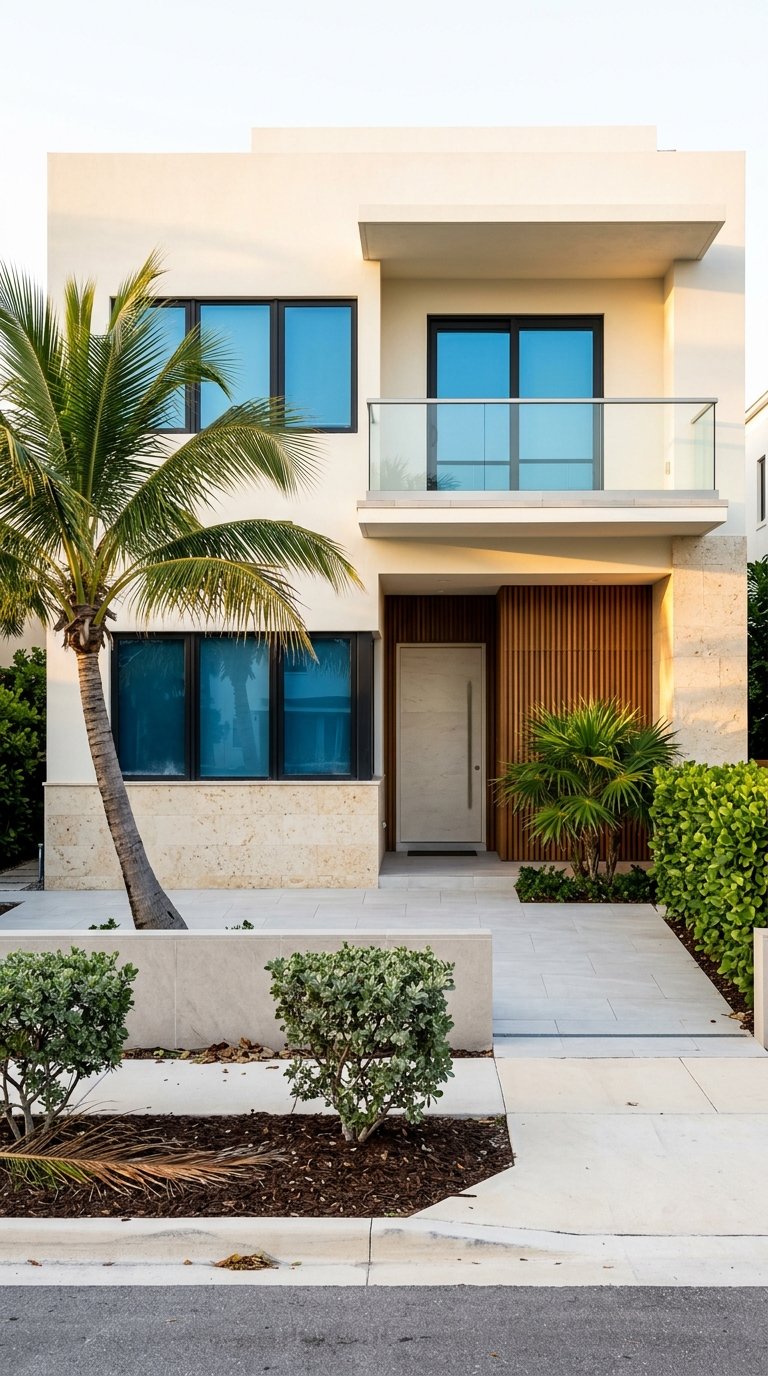
If you are weighing an oceanfront condo against a near-beach home in Surfside, you are not just choosing a property type. You are choosing how you want to live, how much responsibility you want to carry, and how much shared decision-making you are comfortable with. In a compact, walkable coastal town like Surfside, that distinction matters more than many buyers expect. Let’s break down what each option really offers in 33154.
Surfside makes both lifestyles viable
Surfside is a pedestrian-friendly oceanfront community of nearly 6,000 residents, stretching from 87th Terrace to 96th Street. You have a mile of public beach, parks, tennis, a community center, and a compact business district with restaurants, boutiques, and everyday services. That means even homes a few blocks inland can still feel closely tied to the beach lifestyle.
This is why the condo-versus-home decision in Surfside is often less about distance to the sand and more about ownership style. You can enjoy the same broader setting from either option. The bigger question is whether you prefer centralized management or direct control.
Oceanfront condos offer convenience
For many buyers, the appeal of an oceanfront condo starts with simplicity. Florida condominium associations are responsible for the maintenance, management, and operation of condominium property. They may also maintain, repair, and replace common elements, and they have a legal right to access units when necessary for maintenance or to prevent damage.
In practical terms, that often creates a more turn-key ownership experience. If you want beach access, a managed building environment, and less day-to-day oversight on your part, a condo can be a strong fit. This is especially relevant for second-home buyers or international owners who value a more structured ownership model.
What turn-key really means
Turn-key does not mean cost-free or hands-off in every respect. It means many building-level responsibilities are handled through the association rather than by you individually. Common-area maintenance, shared systems, and operational oversight are typically built into the ownership structure.
That convenience can be valuable if you want your time focused on lifestyle rather than property logistics. In Surfside’s luxury market, that often aligns with buyers who prioritize service, efficiency, and direct beach access.
Condo costs go beyond monthly dues
The tradeoff for convenience is shared financial exposure. Florida law requires condominium budgets to include reserves for capital expenditures and deferred maintenance, including items such as roof replacement, building painting, and pavement resurfacing. These are not optional line items in the way some buyers may assume.
For budgets adopted on or after December 31, 2024, unit-owner-controlled associations that are required to obtain a structural integrity reserve study may not simply vote to provide no reserves or lower-than-required reserves for covered items. That matters because underfunding reserves can lead to special assessments. For a luxury buyer, this is one of the most important financial realities to understand before purchasing in an oceanfront building.
Inspections and compliance matter
In Florida, buildings that are three stories or more must complete a milestone inspection by the year they turn 30, and every 10 years after that. Local enforcement may require that inspection at 25 years if local conditions, including proximity to salt water, justify it. Residential condo associations must also complete a structural integrity reserve study at least every 10 years for each building of three stories or more.
That study must cover major components such as the roof, structure, fireproofing, plumbing, electrical systems, waterproofing or exterior painting, windows, and exterior doors. In Surfside, these obligations are not abstract. The town launched a 2026 grant program to help eligible condominium associations offset municipal building recertification permit fees, which signals that recertification and structural compliance are real ownership variables in this market.
Insurance works differently in condos
Insurance is another area where condos and homes differ in important ways. Florida requires condo associations to carry property coverage for condominium property and common elements. At the same time, certain interior items, personal property, and some finishes are excluded and remain the unit owner’s responsibility.
The association may also carry flood insurance for common elements, association property, and units. That means your personal coverage needs are still a key part of the equation, even when the building carries major policies. Buyers should understand where the association’s coverage stops and where individual responsibility begins.
Near-beach homes offer control
A near-beach home shifts more responsibility directly to you. As a homeowner, you are generally responsible for maintenance and repairs, from routine upkeep to major items like roof work. You also need to budget for property taxes, insurance, and ongoing ownership costs more directly.
For many buyers, that tradeoff is worth it. A house can offer more privacy, more separation from shared governance, and more room for customization. If your goal is to shape the property around your preferences and keep more decisions in your own hands, a near-beach home may feel more aligned.
More control does not mean no rules
One common misconception is that buying a single-family home in Surfside means complete freedom. In reality, Surfside’s planning framework remains important. The Town reviews structures and site plans within town limits, and it publishes specific guidance for single-family homes.
For example, exterior paint colors for single-family homes require administrative review, approved palettes apply, roof-color choices are restricted, and landscaping-related requirements also come into play. So while a house typically gives you more control than a condo, it still exists within a coastal design and zoning framework.
Townhomes and HOA properties sit in between
Not every near-beach option is fully detached. If you are considering a townhome or a home in an HOA setting, some costs and responsibilities may still be shared. HOA fees can fund upkeep of common areas and may cover services like lawn care, trash removal, pest control, or shared amenity maintenance, depending on the community documents.
That creates a middle ground between condo living and detached homeownership. In those cases, the details matter. The exact split between private responsibility and shared responsibility depends on the governing documents for that property.
Structural rules differ in a major way
One of the clearest legal differences between Surfside condos and near-beach houses is structural compliance. Florida’s condo milestone inspection and structural integrity reserve study rules do not apply to single-family, two-family, or three-family dwellings with three or fewer habitable stories above ground. They also do not apply to portions of a building that are not submitted to condominium ownership.
For buyers comparing an oceanfront tower to a house a few blocks inland, that is a meaningful distinction. It does not remove the need for careful maintenance on a home, but it does change the type of mandatory compliance burden attached to ownership.
How to choose in Surfside
In Surfside, both options can deliver a strong coastal lifestyle. The town’s compact layout means you may still be close to the beach, parks, and the business district even if you are not directly on the sand. That is why the better choice usually comes down to management style, budgeting preferences, and how you define convenience.
A condo may fit you best if you value:
- Direct oceanfront access
- Shared services and centralized building operations
- Less personal involvement in day-to-day property upkeep
- A more turn-key second-home ownership model
A near-beach home may fit you best if you value:
- More privacy and separation
- More control over maintenance decisions
- Greater ability to customize the property within local rules
- A preference to manage costs directly rather than through an association structure
Due diligence should match the property type
The smartest Surfside buyers do not evaluate condos and homes the same way. Each path has a different set of questions, documents, and long-term cost drivers. A clear review upfront can protect both your time and your capital.
What to review for a condo
When evaluating an oceanfront condo in Surfside, focus closely on:
- The milestone inspection summary
- The structural integrity reserve study
- The association budget and reserve funding approach
- The building’s recertification and compliance position
- The allocation of insurance responsibilities between the association and the unit owner
Florida requires associations to distribute both the milestone inspection summary and the structural integrity reserve study to unit owners on a defined timetable. Those documents are central to understanding the building’s condition and future financial obligations.
What to review for a home
When evaluating a near-beach home, focus on:
- Surfside’s design and planning rules
- Any HOA documents, if applicable
- Long-term maintenance budgeting
- Insurance needs tied to the property
- The current condition of major systems and exterior components
For homes in Surfside, the key is understanding both the physical asset and the local framework that shapes what changes you can make over time.
The right choice depends on your ownership priorities
In Surfside, the difference between an oceanfront condo and a near-beach home is not simply amenity versus land. It is shared governance versus direct oversight, bundled convenience versus individualized responsibility, and structured building compliance versus a more self-managed path.
If you want a highly curated ownership experience with direct beach positioning, a condo may be the more efficient fit. If you want more privacy, more control, and a property you can manage more independently within Surfside’s rules, a near-beach home may be the stronger match.
If you are considering a Surfside purchase and want discreet, property-specific guidance, Chris Zdancewicz offers confidential advisory tailored to luxury condo and coastal home acquisitions.
FAQs
What is the main difference between a Surfside oceanfront condo and a near-beach home?
- A Surfside oceanfront condo typically offers shared management, common-area maintenance, and a more turn-key ownership model, while a near-beach home usually offers more privacy and direct control but requires you to manage more maintenance and budgeting yourself.
What costs should buyers watch for in Surfside condos?
- Buyers should look closely at association dues, reserve funding, possible special assessments, milestone inspection issues, structural integrity reserve study findings, and how insurance responsibilities are divided between the association and the unit owner.
Do Surfside single-family homes have local design rules?
- Yes. Surfside requires administrative review for exterior paint colors on single-family homes, uses approved color palettes, restricts roof-color choices, and applies landscaping-related requirements.
Do Florida condo inspection rules apply to Surfside houses?
- No. Florida’s condo milestone inspection and structural integrity reserve study rules do not apply to single-family, two-family, or three-family dwellings with three or fewer habitable stories above ground.
Is a home a few blocks inland still convenient in Surfside?
- Often, yes. Surfside is a compact, walkable oceanfront town, so properties a few blocks inland can still feel close to the beach, parks, restaurants, and the business district.
What documents matter most when buying a Surfside condo?
- The most important condo due diligence documents are usually the milestone inspection summary and the structural integrity reserve study, along with the association budget and reserve information.