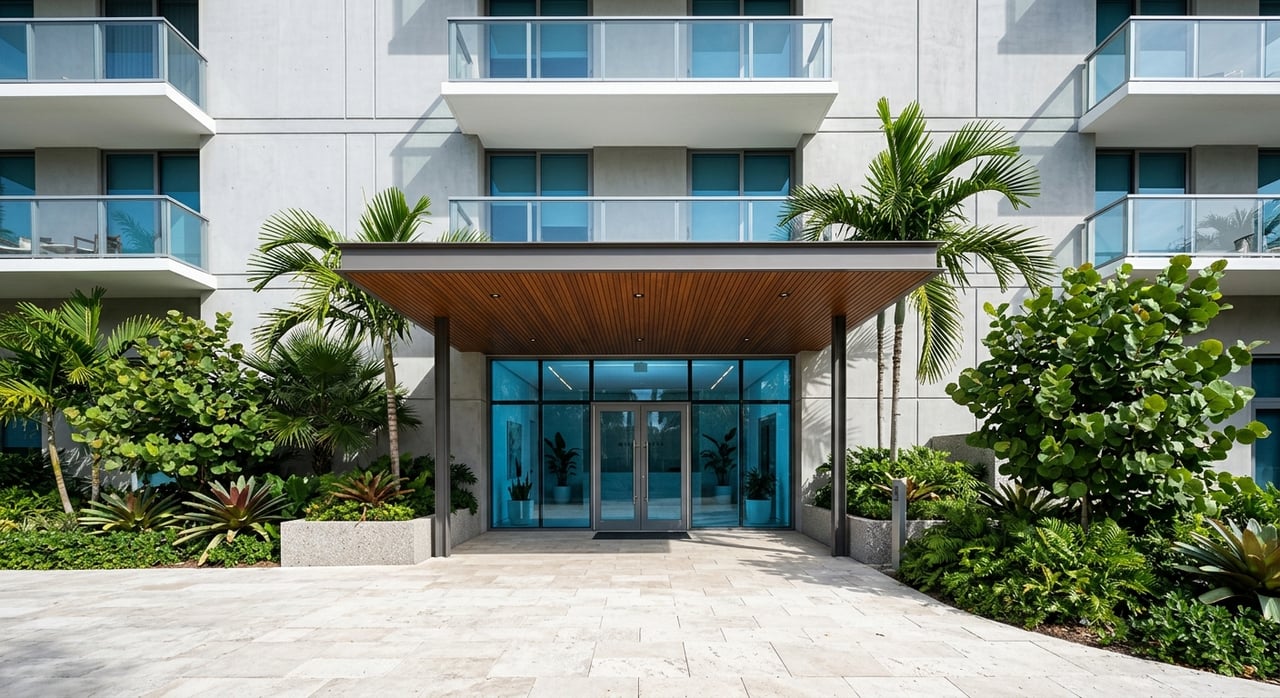
If you are considering a luxury condo in Surfside, the biggest decision may not be ocean view versus city view. It may be boutique living versus resort living. Both can feel exceptional, but they serve very different daily routines, privacy preferences, and service expectations.
In Surfside, that distinction matters more than it does in many other coastal markets. You are looking at a town with a quieter beach-town feel, a walkable scale, and a luxury condo landscape where smaller buildings can still offer impressive service. This guide will help you compare the two lifestyles, understand what to look for, and make a more confident decision before you buy. Let’s dive in.
Why Surfside Stands Apart
Surfside offers a rare middle ground in Miami-Dade. It is a small, pedestrian-friendly oceanfront town with nearly 6,000 residents, a mile of public beach, and a compact business district that keeps daily life close at hand.
That setting creates a very different experience from nearby luxury enclaves. Bal Harbour is more defined by luxury retail, hotels, and residences, while Miami Beach offers a larger, more urban environment with broader dining, culture, and beachfront activity. For many buyers, Surfside feels calmer and more residential without giving up prime oceanfront access.
What Boutique Living Means in Surfside
In Surfside, boutique usually means a lower-density building with fewer residences and a more private feel than a hotel-style tower. Official examples include Surf Row with 24 residences, Ocean House with 25 residences, and Fendi Chateau with 58 flow-through residences in a 12-story building.
That lower residence count often changes how a building feels day to day. You may have fewer shared spaces to navigate, fewer neighbors moving through common areas, and a stronger sense of discretion from arrival to departure.
Typical Boutique Residence Features
Boutique buildings in Surfside often focus on larger layouts and more private access. Depending on the project, that can include private elevators, dedicated lobbies, private foyers, deep terraces, and floor plans designed to feel more like full-time homes than short-stay residences.
Surf Row offers one- to three-bedroom homes, with some residences including rooftop terraces, plunge pools, and summer kitchens. Ocean House features private elevators, dedicated lobbies, valet, and balconies up to 12 feet deep. Fendi Chateau includes three- to five-bedroom flow-through residences, dedicated elevators into private foyers, and terraces up to 12 feet deep.
Boutique Amenities Are Still Strong
Boutique does not mean limited. In Surfside, smaller buildings can still offer a substantial amenity package, but it is usually more curated than sprawling.
Surf Row includes a Zen spa, steam room, sauna, cold plunge, treatment room, fitness center, private workout studio, outdoor pool deck, co-working lounge, beach access, 24-hour concierge, beach butlers, recreation butlers, and housekeeping on request. Ocean House adds a rooftop pool, spa and wellness center, valet, and secured access. Fendi Chateau offers two pools, beach service, cabanas, a kids' club, private cinema and media center, spa, business center, and private restaurant.
What Resort Living Looks Like
Resort-style living centers on service, staffing, and a fuller hospitality environment. In and around Surfside, the clearest benchmark is The Surf Club Four Seasons.
The project spans eight acres and combines two 12-story residential buildings with an intimate Four Seasons Hotel. Residential services include concierge, doorman and bellman services, 24-hour security, pool and beach service, a private residents-only pool, fitness center access, in-residence dining, housekeeping, grocery provisioning, and other a la carte services.
The Resort Advantage
For some buyers, resort living is less about the unit itself and more about how effortless daily life can feel. If you want staffed beach and pool service, hospitality-driven operations, dining support, and a high level of convenience, this format can be very compelling.
The hotel side of Four Seasons reinforces that model with three heated outdoor pools, an oceanfront spa and wellness center, beach service, and complimentary bikes along the Surfside trail. Nearby Miami Beach also shows how large-scale this concept can become. Ocean Terrace Residences combines 52 boutique residences and 24 resort residences with more than 60,000 square feet of amenities, a boutique hotel, a private club, retail, and a tropical parkland setting.
Boutique vs Resort: The Real Difference
The practical difference is usually lifestyle, not branding. Boutique buildings often reward privacy, quieter common areas, and homes that feel more residential. Resort-style buildings often reward buyers who want frequent service, active staffing, and a denser amenity environment.
That means the right choice depends on how you plan to live. If you value a more discreet arrival experience, fewer neighbors, and a calm residential rhythm, boutique may feel more natural. If you want daily service, in-building dining options, housekeeping support, and a more active amenity culture, resort living may be the better fit.
Why Labels Can Be Misleading
One of Surfside’s most interesting traits is that some smaller buildings still offer service levels that feel close to a resort. That is why the better comparison is often not the marketing label, but the actual amenity package, staffing model, and residence design.
A boutique building may still include beach butlers, concierge support, valet, wellness spaces, and housekeeping on request. On the other hand, a resort-branded property may feel less private if your priority is a quiet, strictly residential atmosphere.
Questions to Ask Before You Choose
Before you decide, it helps to move beyond brochures and ask practical questions about your day-to-day use. The answers can quickly clarify which side of the spectrum fits you best.
Consider these points:
- How important is privacy in common areas and arrival experience?
- Do you want in-residence dining or housekeeping support?
- Will you use spa, fitness, beach, and pool services regularly?
- Do you prefer a home-like atmosphere or a hospitality-driven environment?
- Is a larger floor plan more important than a larger amenity campus?
- How often will you be in residence each year?
These questions matter because a condo that looks perfect on paper can feel mismatched in practice. The right fit is often about routine, not square footage alone.
Surfside, Bal Harbour, or Miami Beach?
Location should be part of the boutique-versus-resort decision. Surfside offers a quieter setting with a small business district and community-oriented feel. For buyers who want a calmer oceanfront environment, that can be a major advantage.
Bal Harbour leans more toward retail and resort luxury. Miami Beach offers the broadest mix of dining, culture, transit, and beachfront activity, including trolley connectivity and the nine-mile Beachwalk that links Miami Beach to Surfside and Bal Harbour. If you want your building lifestyle to match your neighborhood energy, this comparison is worth making early.
Due Diligence Matters More Than Ever
No matter which lifestyle you prefer, building diligence is essential in Florida. State law now requires milestone inspections and structural integrity reserve studies for many condominium buildings that are three stories or higher.
That makes it important to verify recent engineering reports, reserve funding, and any special assessments before assuming a property is truly turnkey. The state guidance says the structural integrity reserve study is intended to help ensure condo owners are reserving funds for future major repairs and replacement of structural elements, and the required reports and summaries must be distributed to owners.
What Buyers Should Review
A careful review should include:
- Recent engineering and inspection reports
- Reserve study information
- Current reserve funding levels
- Any pending or recent special assessments
- Building rules tied to services and operations
- The actual scope of concierge, housekeeping, dining, and beach services
In Surfside especially, where service packages can blur the line between boutique and resort, these details shape both lifestyle and long-term ownership costs.
Which Lifestyle Fits You Best?
If you are drawn to fewer residences, more discretion, and a stronger residential feel, boutique living may be the better match. If you want more intensive service, more programming, and a hospitality-centered experience, resort living may offer the ease you want.
Surfside gives you access to both, which is part of what makes this market so compelling. The key is to compare buildings based on how you actually want to live, not just how they are positioned. In a market where labels can overlap, a curated, building-by-building analysis becomes far more valuable than a simple category.
If you are weighing boutique versus resort living in Surfside, working with an advisor who understands the nuances of branded residences, amenity structures, and building-level due diligence can save time and sharpen your decision. For discreet guidance tailored to your goals, connect with Chris Zdancewicz.
FAQs
What does boutique condo living in Surfside usually mean?
- Boutique condo living in Surfside usually refers to lower-density buildings with fewer residences, more privacy, and a more residential atmosphere than a hotel-style tower.
What defines resort-style condo living in Surfside?
- Resort-style condo living in Surfside is typically defined by more extensive staffing and services, such as concierge support, beach and pool service, housekeeping options, dining support, and a hospitality-driven amenity environment.
Are boutique buildings in Surfside less luxurious than resort buildings?
- No. In Surfside, some boutique buildings offer very strong luxury amenities and services, so the better comparison is the actual service package, staffing, and residence design rather than the label alone.
How should buyers compare Surfside luxury condos?
- Buyers should compare residence count, privacy, floor plans, service levels, amenity offerings, ongoing costs, and recent building reports before choosing between boutique and resort living.
Why is condo due diligence important for Surfside buyers?
- Condo due diligence is important because Florida requires milestone inspections and structural integrity reserve studies for many condo buildings, so buyers should review engineering reports, reserve funding, and special assessments before purchasing.
How does Surfside compare with Bal Harbour and Miami Beach for luxury condo buyers?
- Surfside offers a quieter, more walkable beach-town setting, Bal Harbour is more associated with retail and resort luxury, and Miami Beach provides a larger, more urban mix of dining, culture, transit, and beachfront activity.