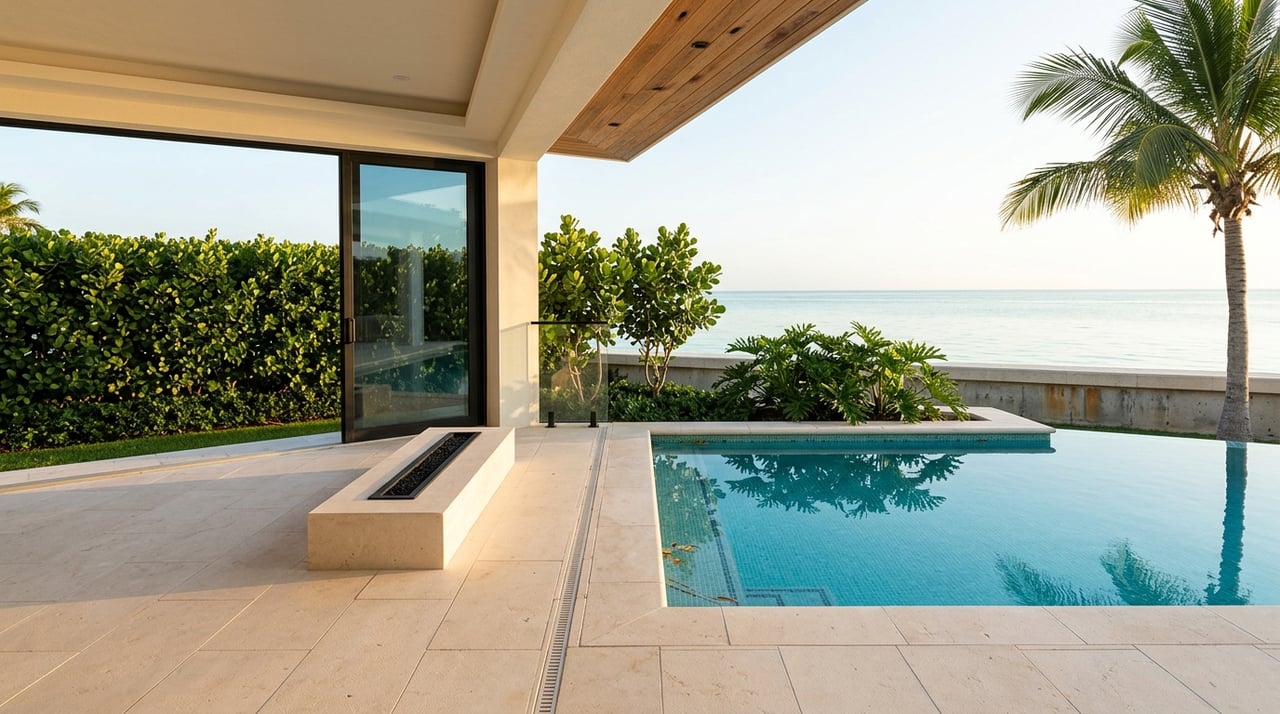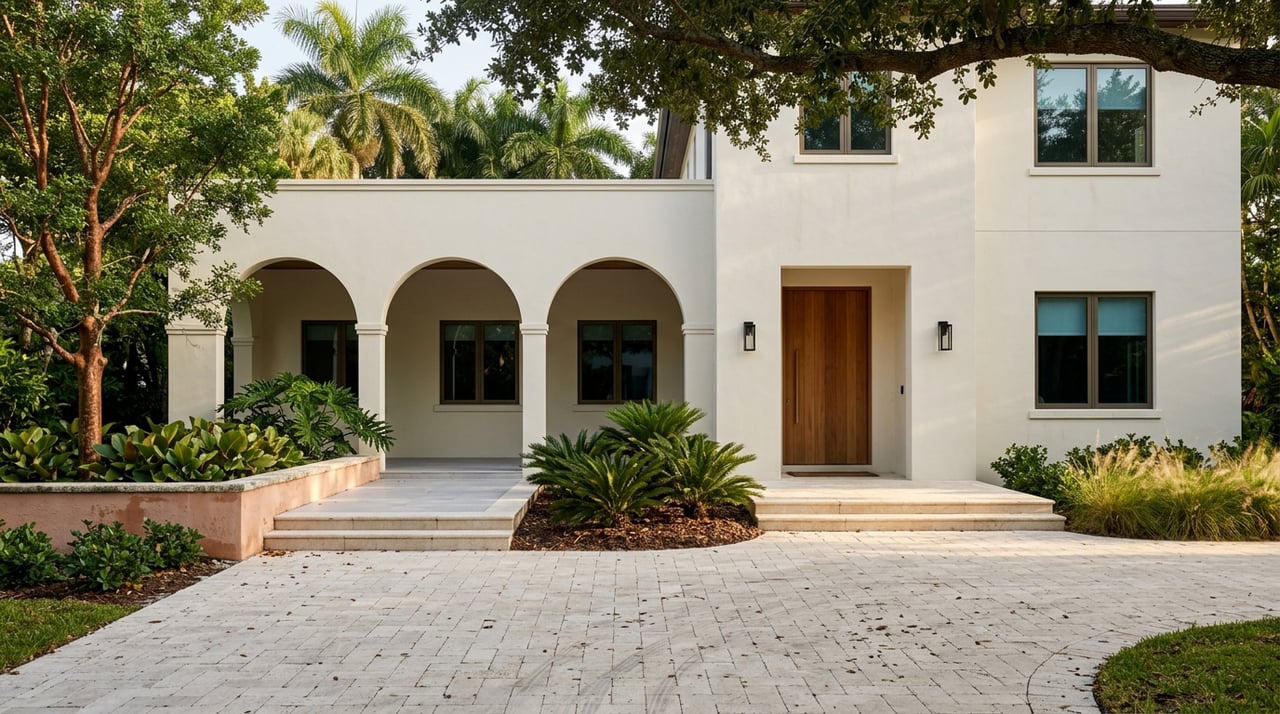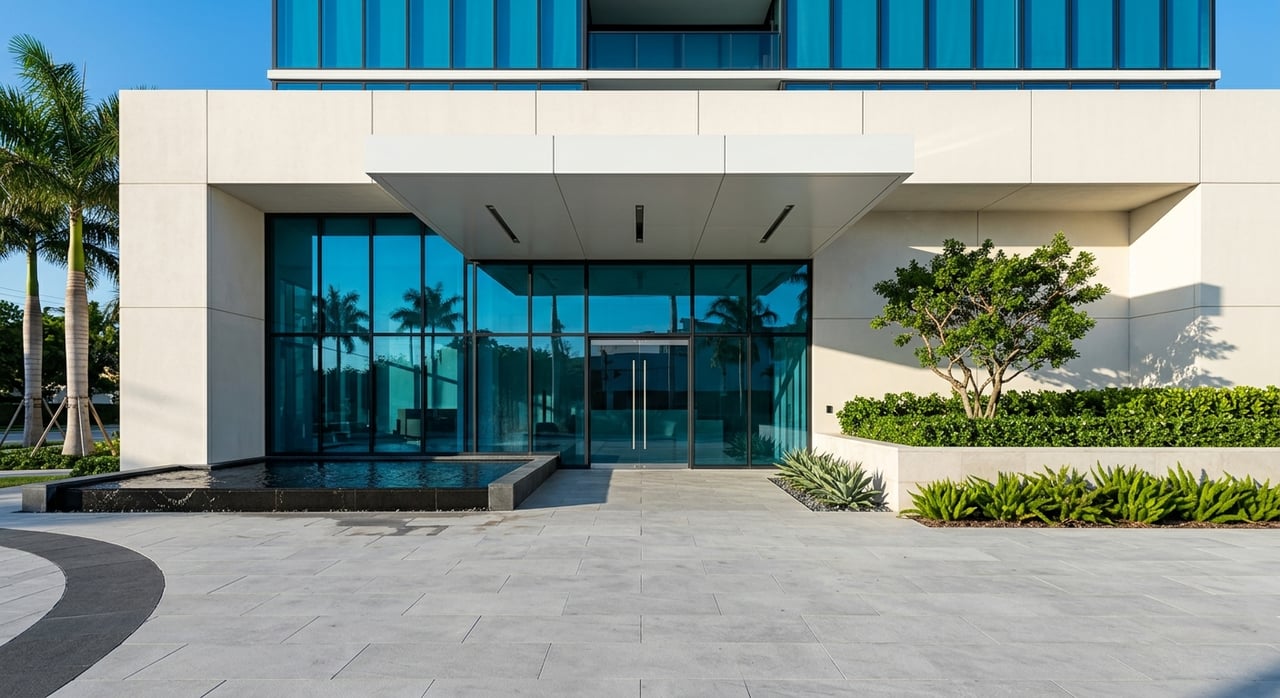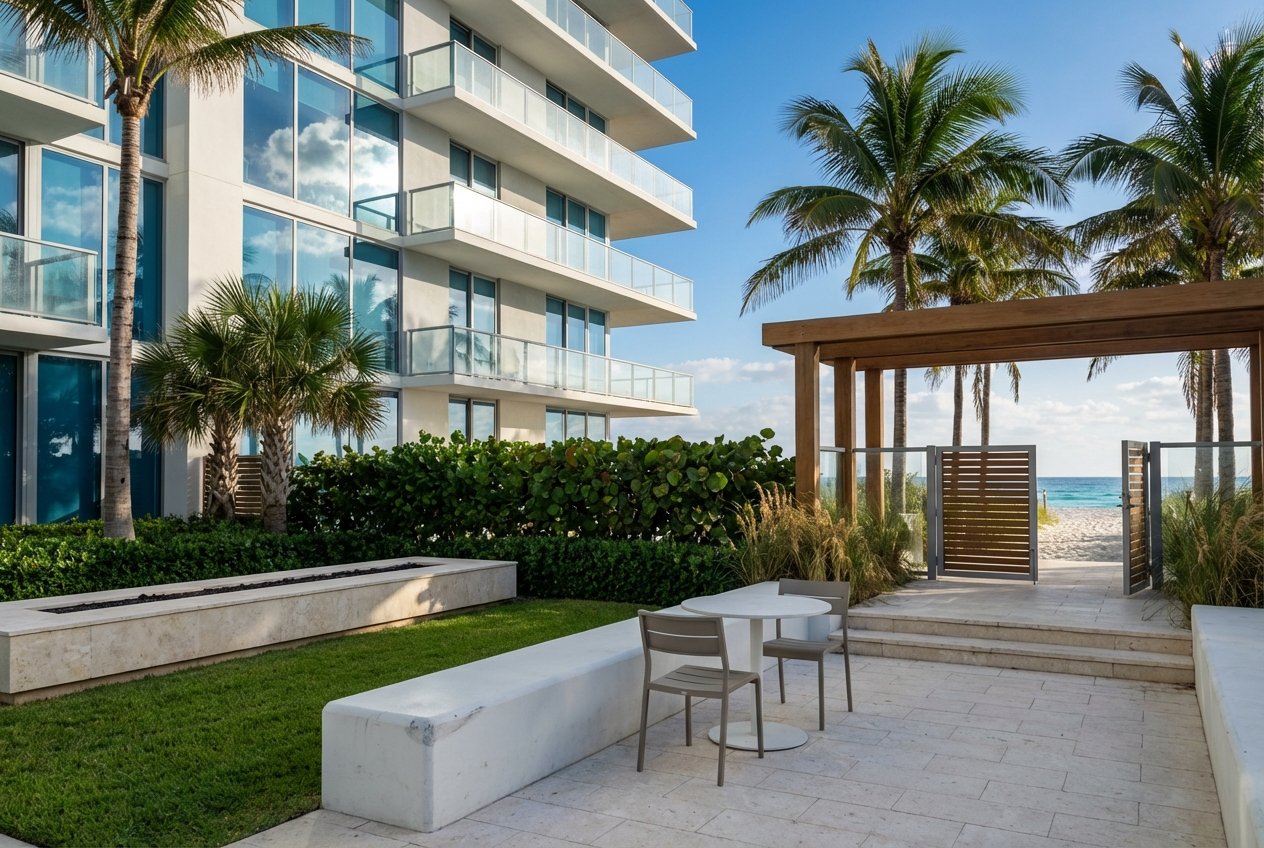
If you picture your morning starting with a beachfront walk and ending with dinner at a favorite designer‑adjacent bistro, Bal Harbour belongs on your short list. You want privacy, polish and daily convenience, without sacrificing access to top‑tier shopping and dining. In this guide, you’ll learn how Bal Harbour’s location, lifestyle and condo market fit together so you can decide if 33154 is the right move for you. Let’s dive in.
Where Bal Harbour fits in Miami
Bal Harbour is a one‑square‑mile village at the northern tip of the Miami Beach barrier island in ZIP code 33154. The Village describes itself as a quiet, high‑end oceanfront enclave about 30 minutes from downtown Miami, Fort Lauderdale and the region’s airports. You’ll feel the difference the moment you arrive: manicured public spaces, a clean beach and an overall refined pace compared with Miami Beach’s party zones. For official place context and history, see the Village’s fact sheet on balharbourflorida.com.
Beach life and public spaces
Bal Harbour keeps its shoreline in excellent condition. Recent Village projects include a reimagined jetty, a resident‑focused Waterfront Park and a major beach renourishment adding about 240,000 cubic yards of sand to widen the shore. These improvements support a daily routine of swimming, jogging and relaxed family time. You can explore these amenities on the Village’s official fact sheet.
Bal Harbour Shops: open‑air luxury
Bal Harbour Shops is the village’s signature destination. Opened in 1965, the open‑air, gardened complex is anchored by Neiman Marcus and Saks Fifth Avenue and houses roughly 100 designer boutiques plus noted restaurants. The Shops are undertaking a significant enhancement program that adds substantial retail and dining space, keeping the tenant mix fresh and flagship‑heavy. For current boutiques and hours, visit the Bal Harbour Shops site, and for historical and expansion context see the Village fact sheet.
Dining highlights you’ll frequent
You can dine well without leaving the village. Local favorites inside the Shops include Carpaccio, Makoto and Le Zoo, each offering upscale‑casual to refined experiences that fit both weekday lunches and special evenings. Hotels add more options, with signature venues at the St. Regis and Ritz‑Carlton; for example, the St. Regis hosts Atlantikós for Mediterranean‑leaning menus. These restaurants shape the neighborhood’s tempo, especially during high season. Explore an overview of the dining scene via the Village’s official materials.
The Bal Harbour housing profile
Condominium towers along the ocean and bay define Bal Harbour’s housing stock. Many buildings offer resort‑style amenities, concierge and private or deeded beach access. Notable properties you will see in your search include Oceana Bal Harbour, One Bal Harbour, Palace at Bal Harbour, Harbour House, Bellini and Kenilworth. You will also find boutique new developments where privacy and large terraces take priority. For a neighborhood‑level overview of buildings and amenities, consult specialist resources like Condo Black Book’s Bal Harbour page.
Pricing snapshot and what moves value
Bal Harbour is a luxury‑price market relative to Miami‑Dade County overall. Two metrics illustrate the range you may encounter:
- Zillow’s ZHVI index for Bal Harbour tracked typical home values in roughly the 1.6 to 1.9 million dollar range by late 2025. This is an index estimate, not a sales median.
- Redfin reported a median sale price for ZIP 33154 of about 1,050,000 dollars in January 2026. This is a closed‑sale median for the broader ZIP that includes Bal Harbour, Surfside and Bay Harbor Islands.
These figures use different methods and geographies, which is why they differ. Your actual price will hinge on building pedigree, unit line orientation, view (full ocean versus bay), outdoor space, renovation level and services. Smaller residences in older oceanfront towers may price lower than newer sky‑villa formats. For context on amenities and building variation, see Condo Black Book’s summaries.
New construction and limited beachfront supply
Remaining oceanfront development sites in Bal Harbour are scarce, which means new inventory tends to be ultra‑prime and low‑density. A current example is RIVAGE, a boutique project with a small number of very large residences positioned as single‑family‑scale sky villas. Pre‑construction schedules and pricing can change, so treat delivery timelines as estimates. Learn more at the project’s site for RIVAGE.
Ownership essentials: costs, risk and rules
Buying on the ocean comes with specific considerations beyond the purchase price. Keep these in view as you evaluate options:
- HOA and maintenance fees. Full‑service buildings with beach staffing, valet, spa and security carry higher monthly fees. Older towers may also assess for structural or common‑area work. There is no single number that fits every building, so compare fees and inclusions for each property using current listings and association documents. Neighborhood‑level references like Condo Black Book can help you frame expectations.
- Insurance. Coastal properties face wind and flood exposure that affect premiums and terms. Before you commit, obtain quotes for windstorm and flood coverage and discuss underwriting requirements with your insurance advisor.
- Flood and climate risk. Many oceanfront addresses show elevated near‑term flood and wind risk in widely used mapping tools. Review FEMA flood maps and independent forecasts, and stress‑test your budget with realistic insurance numbers.
- Building safety and milestone inspections. After the Surfside tragedy, Florida implemented milestone inspections, structural‑integrity reserve studies and more frequent recertification in certain coastal areas. When you pursue a condo, request recent milestone inspection reports, SIRS documents, reserve balances and any pending engineering or repair estimates. For background on the policy changes, see this overview on Building Mavens.
- Short‑term rentals. Bal Harbour and many luxury associations tightly regulate short‑term or vacation‑style rentals. The Village uses a Vacation Rental Certificate and Business Tax Receipt framework, and many buildings impose stricter rules. Because regulations evolve, verify current rules with the Village Clerk and your building’s condo documents. For a practical summary, review this third‑party overview of Bal Harbour’s vacation rental rules.
Walkability and mobility
Bal Harbour’s footprint is compact and walkable for daily life. You can stroll between towers, Bal Harbour Shops and the beachfront hotels with ease. For errands beyond the village, most residents use a car due to the barrier‑island setting. The location’s draw is that you’re minutes from Surfside and Bay Harbor Islands, with quick connections to mainland routes.
Schools and services
Bal Harbour is served by Miami‑Dade County Public Schools. Nearby public options include Ruth K. Broad Bay Harbor K‑8 for elementary and middle grades and Miami Beach Senior High for high school, with magnet and choice programs subject to district rules. Always verify attendance zones and options directly with the district before making a decision.
How to evaluate a Bal Harbour condo
Use a structured process so you can compare buildings and units confidently:
- Confirm building profile. Note year built, developer, number of units, staffing model and amenity set.
- Analyze view and line orientation. Stack and line determine ocean exposure, privacy and wind patterns. Compare floor plates and balcony depth.
- Review association health. Request milestone inspection reports, SIRS, reserve balances, budgets and pending assessments. Understand planned capital projects.
- Price the full monthly carry. Add HOA fees, property taxes and current insurance quotes for wind and flood. Ask about beach service fees or club programs if applicable.
- Check use restrictions. Confirm leasing minimums, guest policies and short‑term rental prohibitions with the association.
- Benchmark comps and new‑build alternatives. Compare against recent closed sales in the building and pricing at boutique new construction like RIVAGE, understanding the premium for new inventory and larger formats.
Considering a purchase or sale in 33154?
Bal Harbour offers a rare blend of privacy, daily convenience and long‑term desirability. If you want an advisor who understands trophy condominiums, association diligence and cross‑border negotiation, you will benefit from discreet, data‑driven guidance tailored to your goals. Schedule a Confidential Consultation with Chris Zdancewicz to discuss a curated plan for your next move in Bal Harbour and greater 33154.
FAQs
Is Bal Harbour quieter than South Beach for year‑round living?
- Yes. The Village is known for a more residential, refined pace, though winter high season and special events bring more visitors to the Shops and hotels, according to the Village’s official materials.
How close are the shops, hotels and beach in Bal Harbour?
- Very close. The village is compact, and residents commonly walk between towers, Bal Harbour Shops and the oceanfront hotels, per the Village fact sheet.
Do most Bal Harbour condos include beach access?
- Many oceanfront buildings offer private or deeded beach access, though terms vary by building. Confirm specifics with the association and review the Village’s beach maintenance updates for shoreline context.
What are typical condo fees in Bal Harbour?
- Fees vary widely by building, unit size and service level. Full‑service oceanfront towers often have higher monthly fees and may levy special assessments for capital work. Compare documents for each building.
How have building inspections changed after Surfside?
- Florida now requires milestone inspections and structural‑integrity reserve studies, with more frequent recertification in some coastal areas. Request these reports during condo due diligence and review guidance like the overview on Building Mavens.
Can I rent my Bal Harbour condo short‑term?
- Short‑term rentals are tightly controlled by the Village and often restricted further by individual associations. Verify current rules with the Village Clerk and your building’s governing documents, and review a third‑party summary for reference.